FHA ORGANIZES 2- DAY MANAGEMENT WORKSHOP ON HOUSING DELIVERY IN NIGERIA
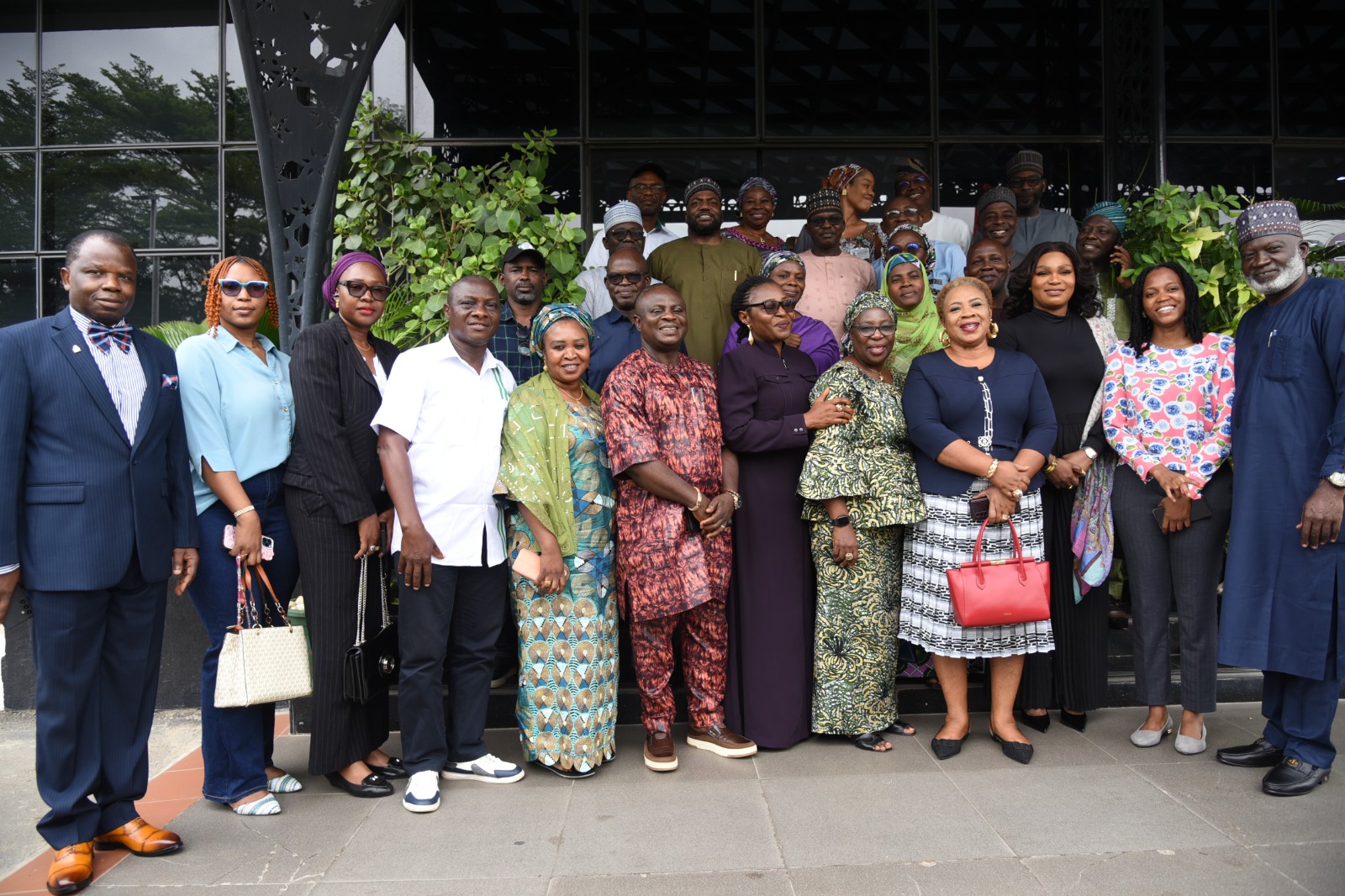
Federal Housing Authority organized a two-day workshop for its senior management staff on the 15th and 16th April 2026 at The C Rollins Hotel and Towers, Abuja, as part of Management’s commitment to strengthening the Authority. The workshop, themed “Transforming Housing Delivery in Nigeria: Leadership, Policy, and Sustainable Partnerships,” was held in partnership with Thrive Learning Resource Limited.
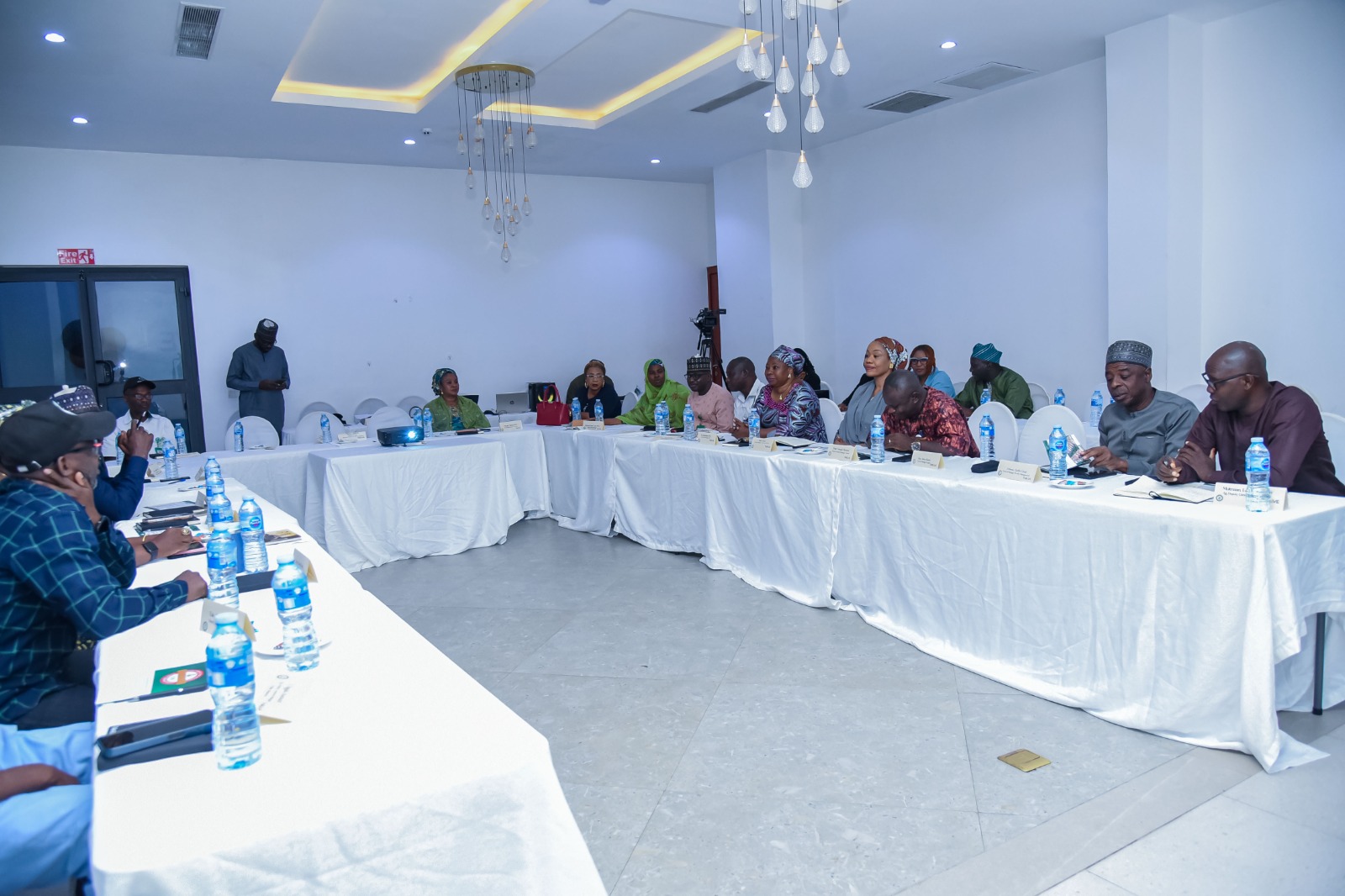
The workshop, designed to strengthen governance, enhance leadership capacity, and promote sustainable housing models, in recognition of the Authority’s critical role in national housing delivery. Carefully selected topics with high-impact relevance which included: Leadership and Strategic Organizational Governance, Affordable Housing Models and Urban Development, Public-Private Partnerships in Housing, and Policy and Regulatory Frameworks.
Welcoming participants to the workshop, the Chief Executive Officer of Thrive Learning Resource Limited, Mrs. Catherine Enaohwo, described the programme as timely, noting that the demand for innovative, efficient, and sustainable housing solutions in Nigeria has never been more urgent. She said that FHA, as a key driver in the nation's housing ecosystem, holds a pivotal role in shaping the future of urban development and bridging the housing deficit across the country.
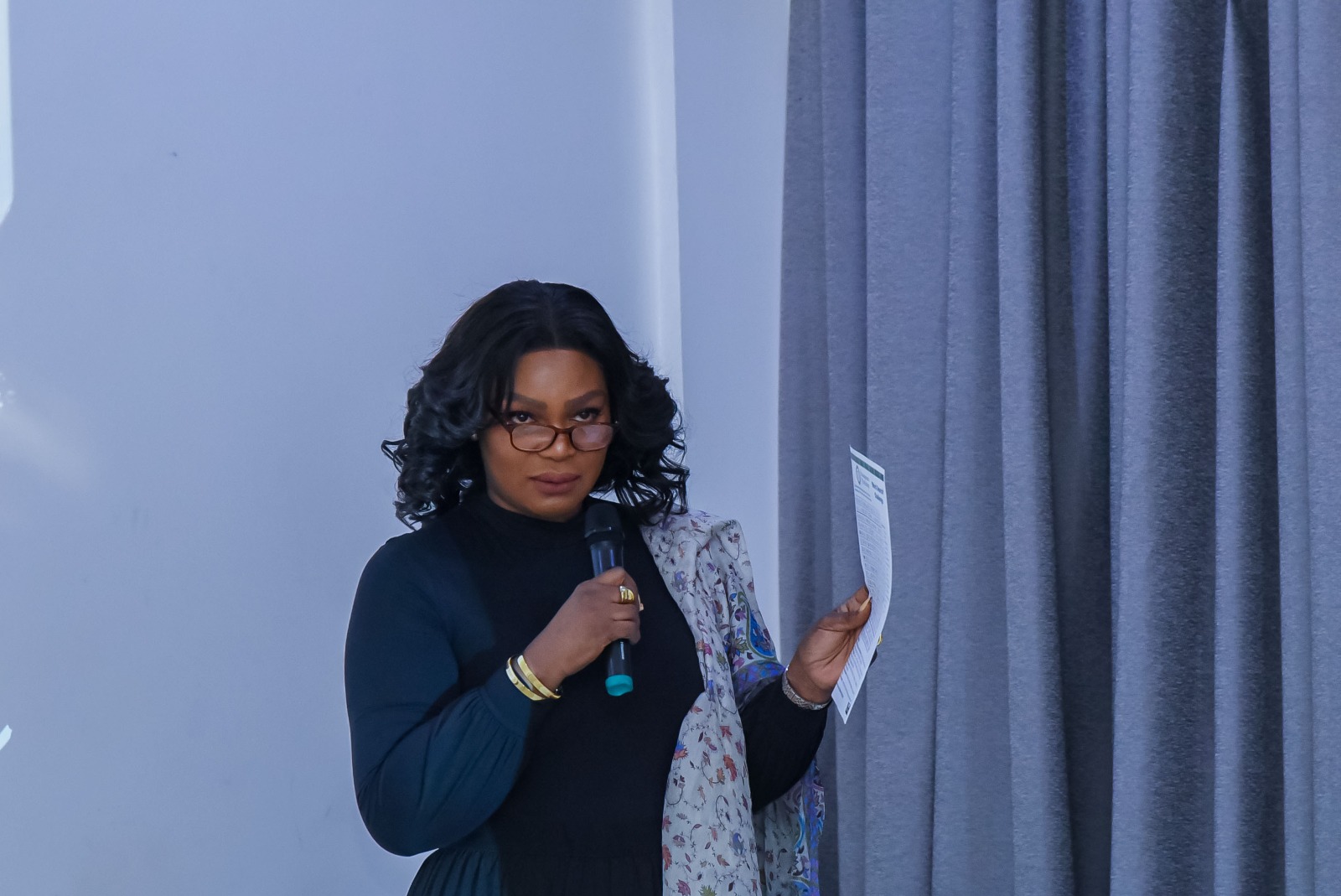
Mrs. Enaohwo noted that the workshop was designed not just as a learning platform, but as a space for meaningful dialogue, knowledge exchange, and actionable outcomes
Prof. Okey Ikechukwu, who facilitated the session on Leadership and Strategic Organizational Governance, emphasized that strategic leadership begins with a clear vision and a proper understanding of institutional goals. He noted that effective governance fosters stability, accountability, and stronger organizational structures, while leadership excellence directly influences institutional performance and public perception.
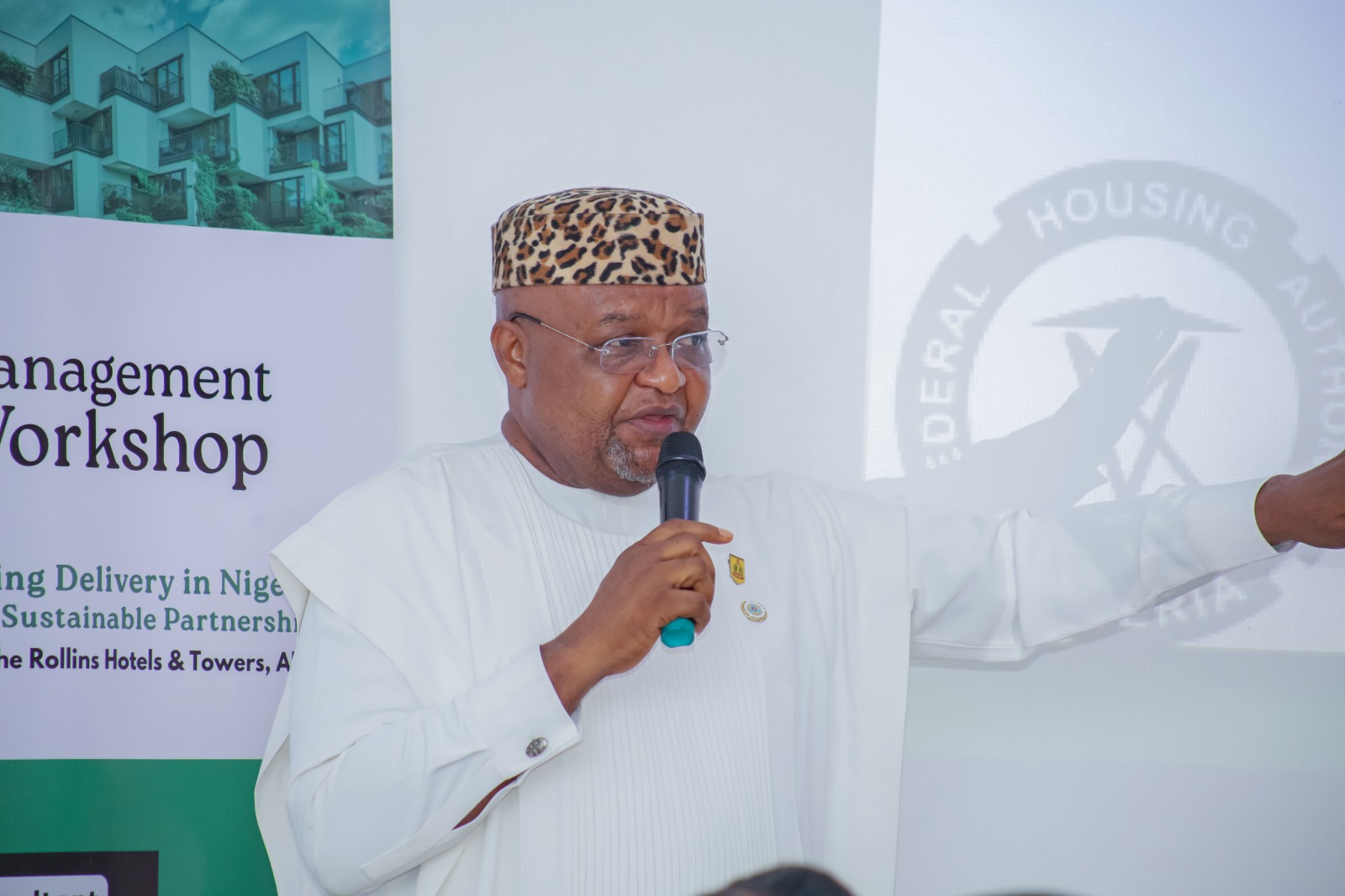
He further highlighted the importance of risk management, professional integrity, global best practices, and collegiality as essential principles for strengthening the Authority’s capacity to deliver on its mandate.
During his session on Affordable Housing Models and Urban Developments, Mr. Femi Adewale provided a comprehensive analysis of Nigeria’s housing challenges and the evolving dynamics of urban growth. He explained that affordable housing, in practical terms, must prioritize low- and middle-income earners, ensuring that households are not financially overburdened after meeting their housing needs.
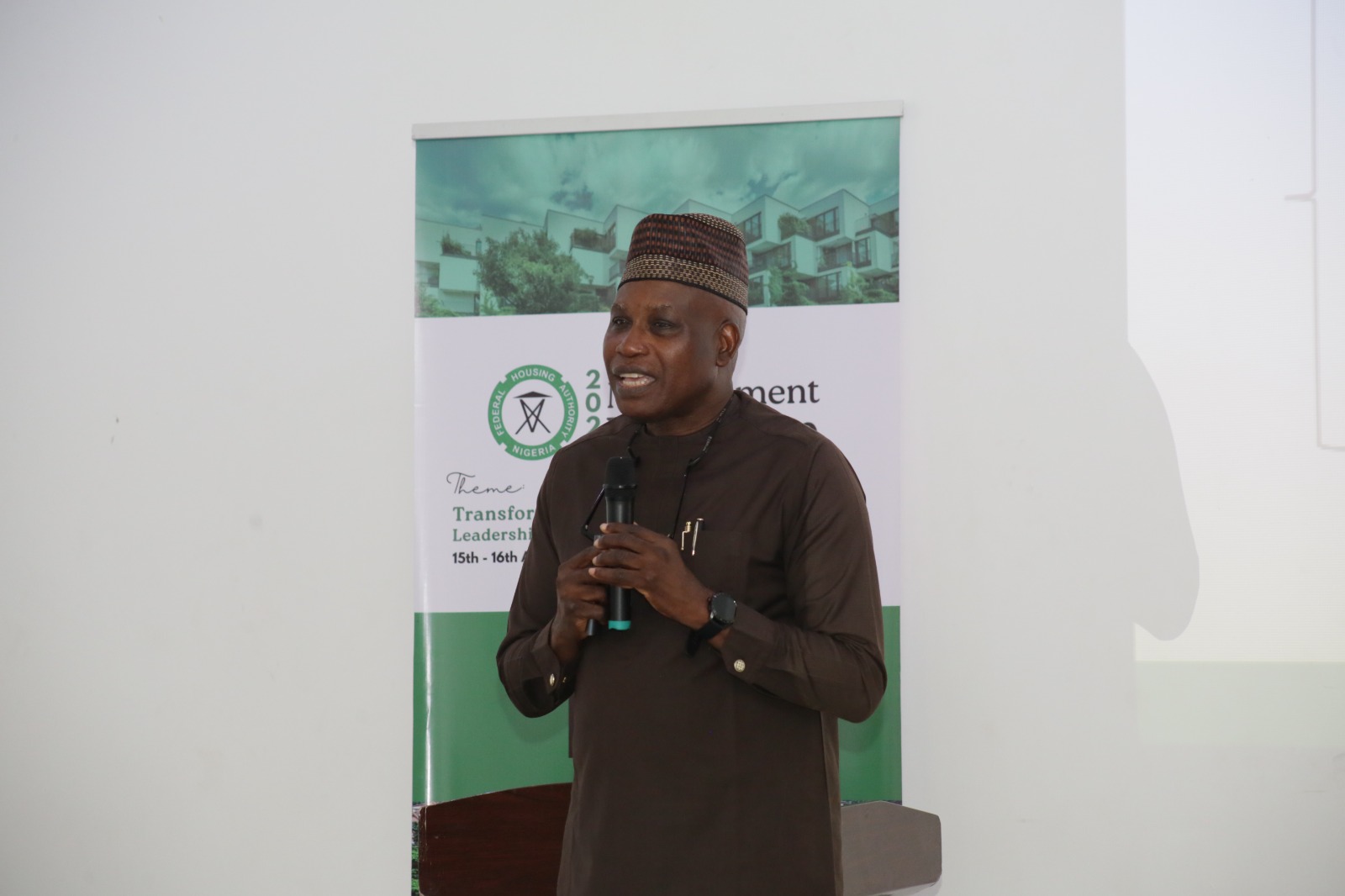
He highlighted FHA's unique position, backed by its mandate and asset base, to lead transformative housing interventions in Nigeria. He emphasized that this requires stronger governance, innovative financing, and a more effective approach to large-scale delivery.
In continuation of the workshop, a session on Public-Private Partnerships (PPP) in Housing, presented by Mr. Babajide Senbanjo. explained that Nigeria is facing a serious housing shortage, where the number of houses being built each year is far less than what is needed. He described the situation as a major challenge and said that new approaches are required to solve it. According to him, PPP is an important solution because it allows FHA to work with private investors to increase housing delivery.
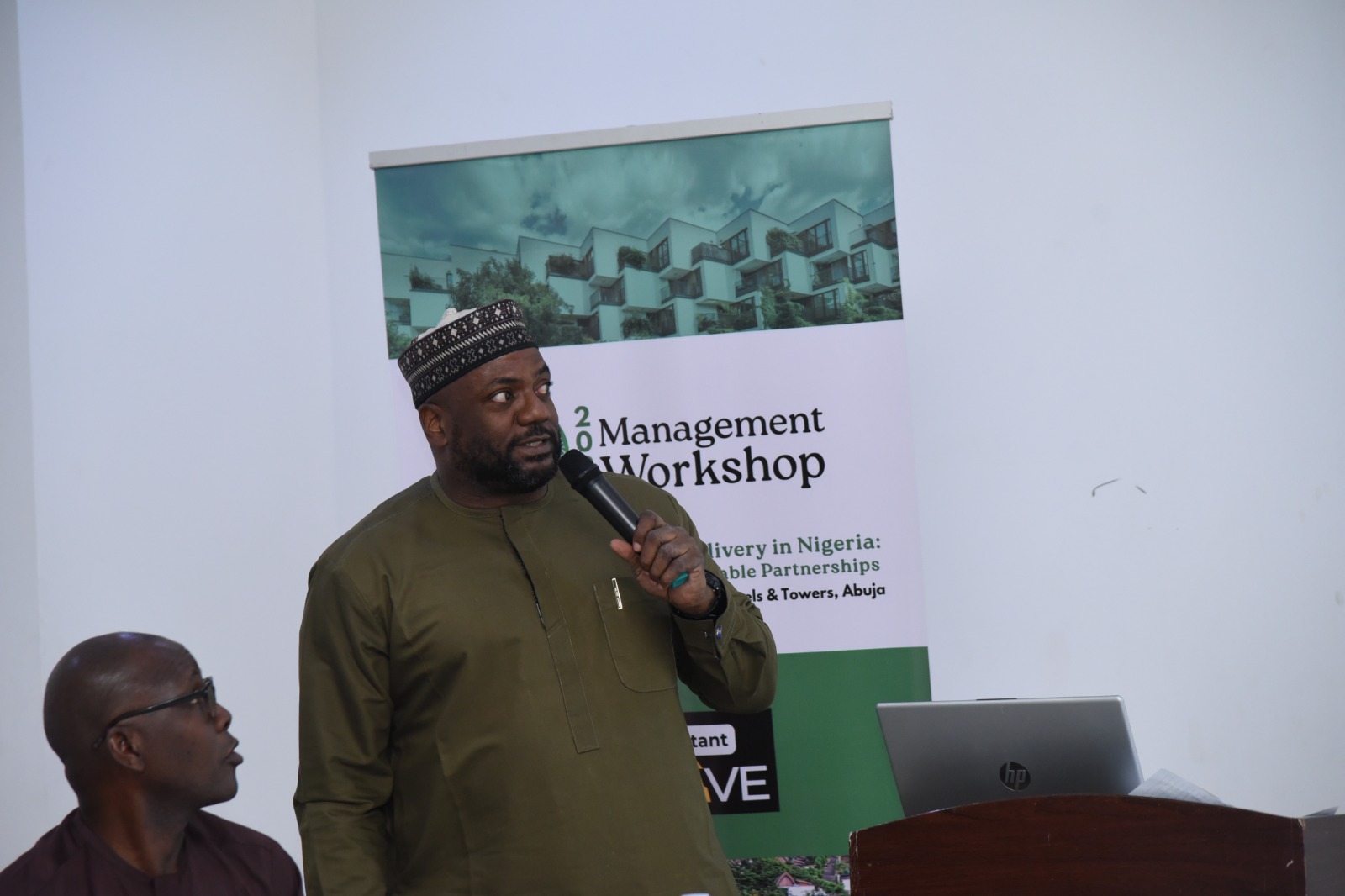
He further noted different PPP models, highlighting that one of the most suitable for FHA is the land-based model, where the Authority provides land while private developers provide funding and handle construction. He said this approach allows both parties to share risks and benefits. Other models, such as Design-Build-Finance-Manage, were also discussed, showing different ways projects can be structured depending on the situation.
The session on Policy and Regulatory Frameworks was delivered by Mr. Olalekan Olusegun Odutayo, who provided practical insights into the key policy gaps affecting housing delivery in Nigeria. In his presentation, he identified affordability as the most critical challenge, explaining that there is a wide gap between the cost of building houses and what many Nigerians can afford to pay. He noted that addressing this gap is essential to solving the housing problem in the country.
In addition, he highlighted the need to reduce the cost of building materials through the adoption of greener and more sustainable housing practices in line with global standards. He said that these measures would not only lower construction costs but also promote long-term sustainability.
At the later part of the Workshop, Staff Participants described the workshop as timely, insightful, and highly relevant to the Authority. They noted that the sessions exposed them to emerging realities in the housing sector. Several of them identified leadership as a major takeaway, emphasizing that stronger institutional leadership is essential for improving governance and enabling staff to deliver more effectively on the Authority’s mandate.
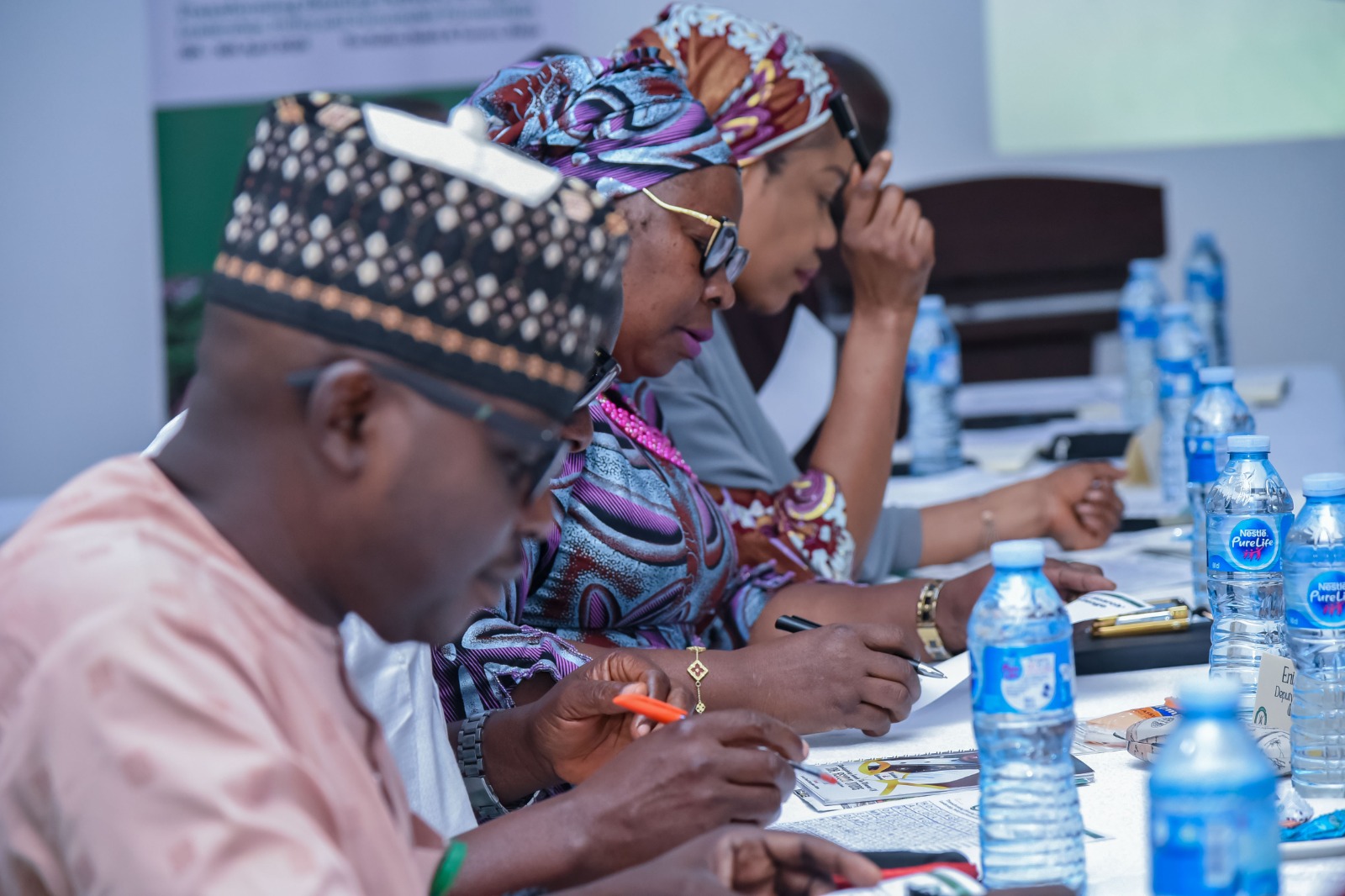
They also expressed confidence that the knowledge gained would be translated into concrete proposals, policy recommendations, and internal reforms aimed at strengthening FHA’s capacity to improve housing delivery nationwide.
Backed by the unwavering support of the Managing Director and Chief Executive Officer, Hon. Oyetunde Ojo, FHA remains committed to strengthening the capacity of its workforce to meet the evolving demands of housing delivery in Nigeria. The workshop reaffirmed Management’s resolve to equip staff with the knowledge, leadership skills, and innovative strategies required to advance the Authority’s mandate in line with the Renewed Hope Housing Agenda of President Bola Ahmed Tinubu GCFR, which seeks to expand access to affordable housing and improve living conditions for Nigerians.